
The 'Healthy Home'
Low‑EMF, Circadian‑Aligned Healthy Home
This new build in Toronto, Ontario, is being designed and built for an immunocompromised occupant to promote maximum mitochondrial health, including natural sunlight and minimal EMF and blue light exposure.
For the latest developments on the new home build, see our Instagram account: https://www.instagram.com/healthyhome297/
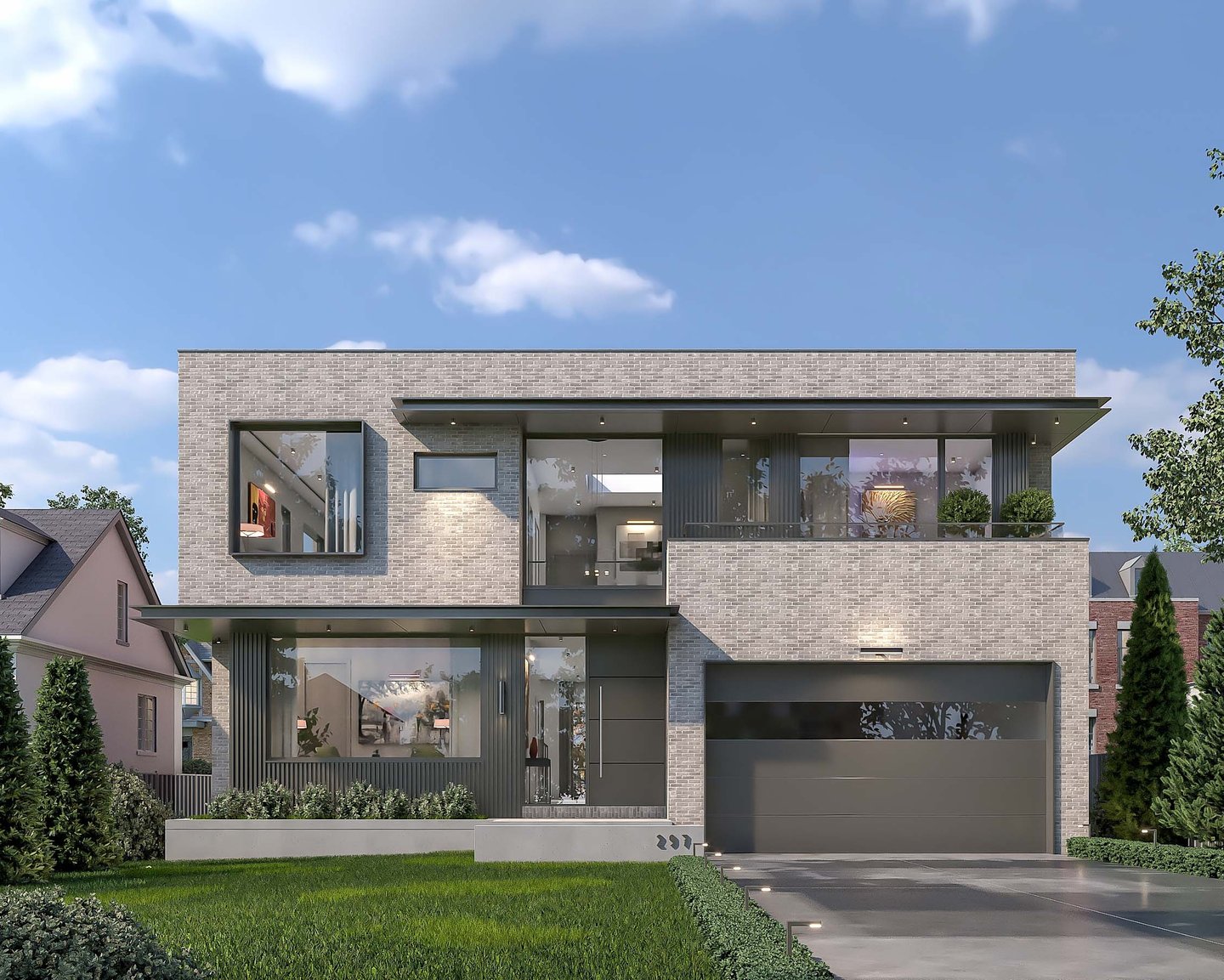
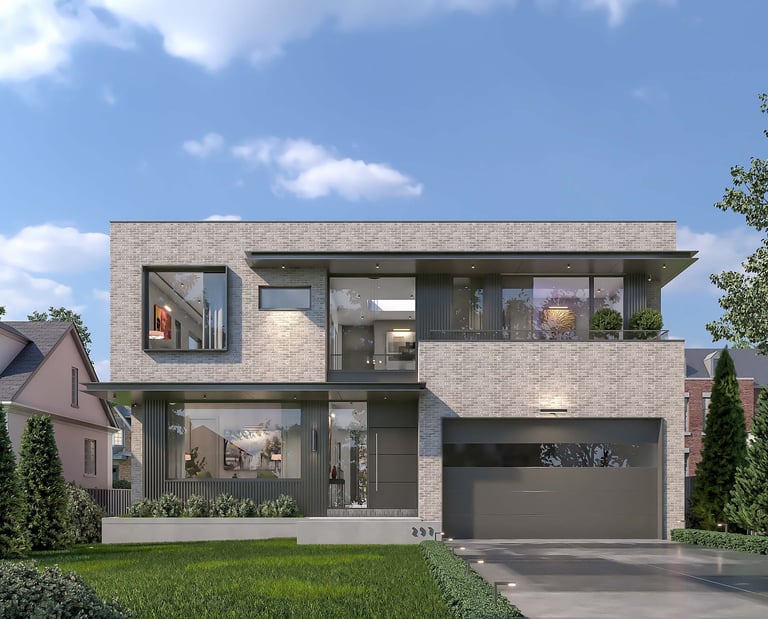
Overview:
This custom “Healthy Home” in North York is being designed from the ground up around neuroarchitecture, biophilic design, and mitochondrial health. The goal is not just a beautiful modern house, but a building that actively supports an immunocompromised occupant’s nervous system, circadian rhythm, and long‑term resilience.
Light, views, and biophilic design
The plan uses generous south‑facing glazing, multiple skylights and a double‑height planter and entrance way to flood the core living spaces with natural light across the day. A live green wall and an indoor tree under a large skylight create a strong visual and biological connection to nature, aiming to reduce stress, support mood, and cue circadian clocks through real daylight instead of artificial glare. Key “health” spaces—kitchen, great room, office/lounge, and bedrooms—are oriented and detailed so that occupants get bright morning and daytime light but can easily shield themselves from harsh evening light.
Low‑EMF, circadian‑friendly electrical and lighting
Electrically, the house is deliberately “de‑gadgeted.” Main panels and high‑load equipment are kept in the garage/mechanical side, away from bedrooms. Bedroom circuits are routed carefully and equipped with demand cut‑off switches so non‑essential wiring is de‑energized during sleep, dramatically reducing electric fields around the bed. There are no LEDs, no dimmers, and no wireless lighting controls. Instead, each major room will have multiple banks of incandescent/halogen lighting: white “day” fixtures, low‑level red/night fixtures, and switch‑controlled lamp circuits. This creates several light levels without electronic dimming and makes it easy to live with bright, full‑spectrum light by day and soft, low‑blue or red light at night.
HVAC, air quality, and “hospital‑lite” strategy
Mechanically, the house is conceived as “hospital‑lite” for an immunocompromised occupant. A zoned HVAC system separates bedroom sanctuary spaces from general living areas. Balanced HRV/ERV ventilation provides continuous fresh air, with high‑grade filtration (MERV 13–16 and optional HEPA for the sanctuary bedrooms), plus whole‑house humidity control targeting the 40% range. Ducts, supplies, and returns are laid out to avoid stagnant pockets around the live wall and tree, preventing overly humid microclimates while still allowing plants to thrive. Equipment is located to minimize noise and vibration in sleeping and recovery spaces.
Envelope, insulation, and materials
The enclosure is designed for both performance and health: airtight but vapor‑sensible assemblies using mineral wool or dense‑pack cellulose in 2x6 walls, with continuous exterior insulation and a robust sheathing/WRB system such as ZIP. The aim is a low‑tox, mold‑resistant, well‑sealed shell that pairs properly with the mechanical ventilation strategy. Spray foam, if used at all, is limited to small, hard‑to‑seal areas, with a preference for materials and detailing that avoid chronic off‑gassing.
Neuroarchitecture and mitochondrial health as design drivers
Across architecture, mechanical systems, and electrical design, choices are filtered through the lens of neuroarchitecture and biophilic design: abundant natural light; meaningful views to greenery; quiet, low‑vibration mechanical spaces; simple, tactile controls instead of layered digital complexity; and an EMF‑aware electrical strategy that keeps bedrooms as calm as possible. The result is a home meant to feel mentally restorative and physiologically supportive—aligning light, air, sound, and electrical environment with the way brains and mitochondria actually work, rather than fighting them.
Exterior Drawings:
Design Briefs:
Custom home project team:
Mechanical Engineering: Zaab Consulting
Concrete: MD Concrete Works Inc
House Framing: 360 Home Developments
EMF Consultant: Mitch Marchand, EMF Aware